

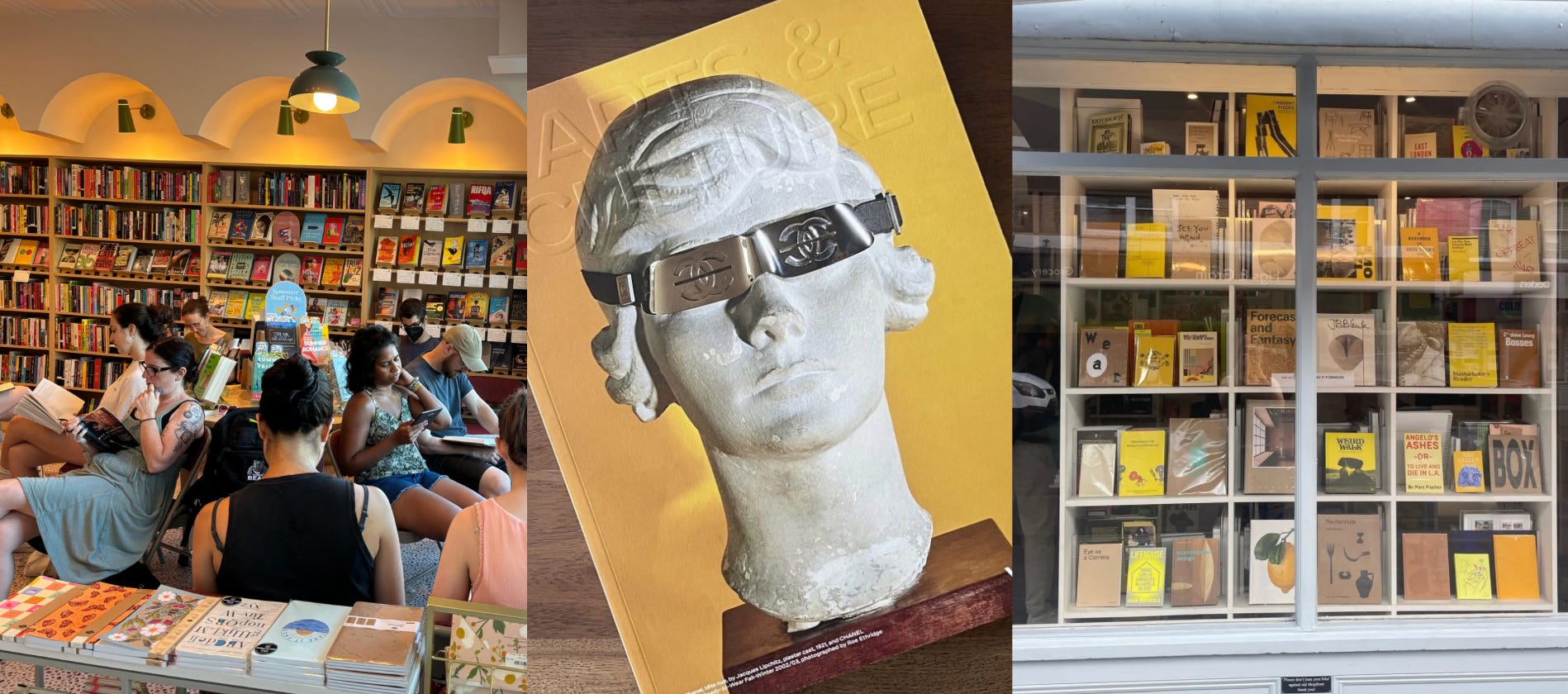
From Scrolls to Pages
In a culture where our phones serve up endless stimulation - feeds to scroll, videos that autoplay, the ping of notifications - it feels almost radical that the quietest, gentlest medium of all is booming again: the book. Waterstones, the UK’s largest bookseller, has just announced it’s opening 10 (!) new stores after a boom in sales.
Yes, TikTok has played a part, consistently turning novels into bestsellers overnight. But what’s unfolding goes deeper. Reading has always been a solitary act but lately it’s picking up a surprising social life. Young people are joining book clubs, swapping recommendations, and treating their bookshelves as shrines of taste and self-expression.
And maybe that’s the appeal. Turning a page is a long way away from swiping a feed. One slows you down, gives you space to imagine; the other keeps you twitching for the next hit. In a culture that already feels so noisy, books are invitations to slow down - maybe that’s exactly why they’re booming?
The Solitary Act Becomes Social
For most of history reading has been something you did alone - curled up in bed, on the train or sitting in the corner of a cafe. But lately the act of reading is slipping into the collective.
Book clubs are booming. Silent Book Club has spread to more than 50 countries, where people gather in cafes, parks and museums for the simple pleasure of reading side by side. Maybe that’s what we’re after: we’re outsourcing a bit of accountability, asking others to validate the simple act of sitting still with a book. In cities from Jaipur to Washington, groups are turning books into catalysts for connection - conversations spiralling into friendships, therapy-like exchanges and even love stories.
Bookstores are leaning in too. They’re reshaping themselves as cultural hubs. Author events, coffee corners, curated shelves designed for lingering - they’re becoming places not only to buy books but to hang out and belong. A personal favourite is BookBar in London, where the wine list is as carefully chosen as the titles.
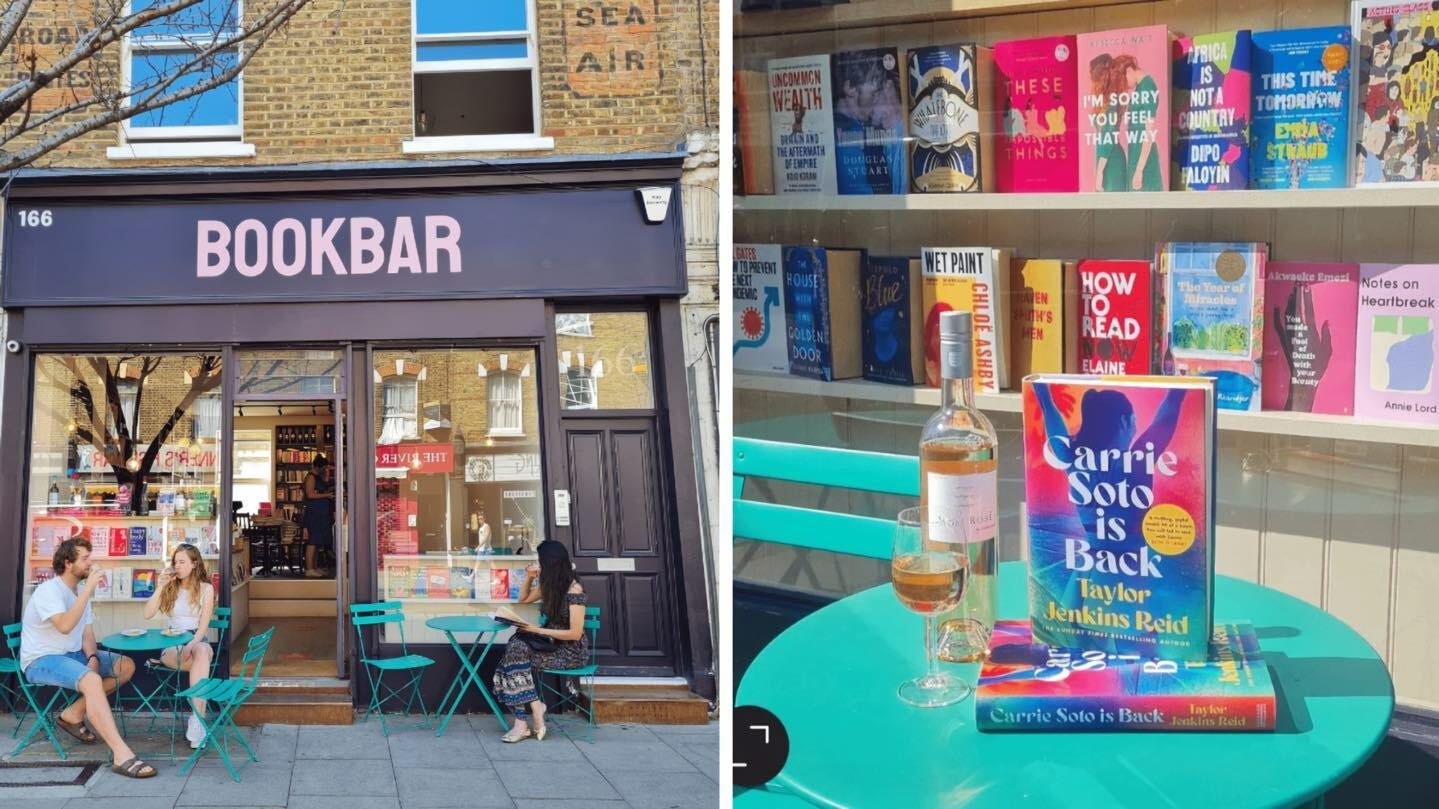
What was once private is becoming social. The book is no longer just an object to consume; it’s a reason to gather, a way of showing what matters to you and connecting with others who share that passion.
The TikTok Effect - and Beyond.
So where does this all come from? TikTok often gets the credit for this revival, and it definitely deserves some of that. BookTok has become publishing’s most powerful discovery engine, where a single viral video can explode a novel (even one that’s been around for over a decade) into the mainstream.
But discovery is only the beginning. What’s really interesting is how books are moving beyond the feed into lived culture. A title might travel through TikTok but the impact multiplies when it becomes the reason people meet up, form clubs or curate shelves as personal shrines of identity.
Owning and displaying books has become its own form of self-expression however subtler than what happens in the feed. Some arrange shelves by colour, others collect beautiful editions. In the same way vinyl signals taste, books are being reclaimed as objects that say something about who you are.
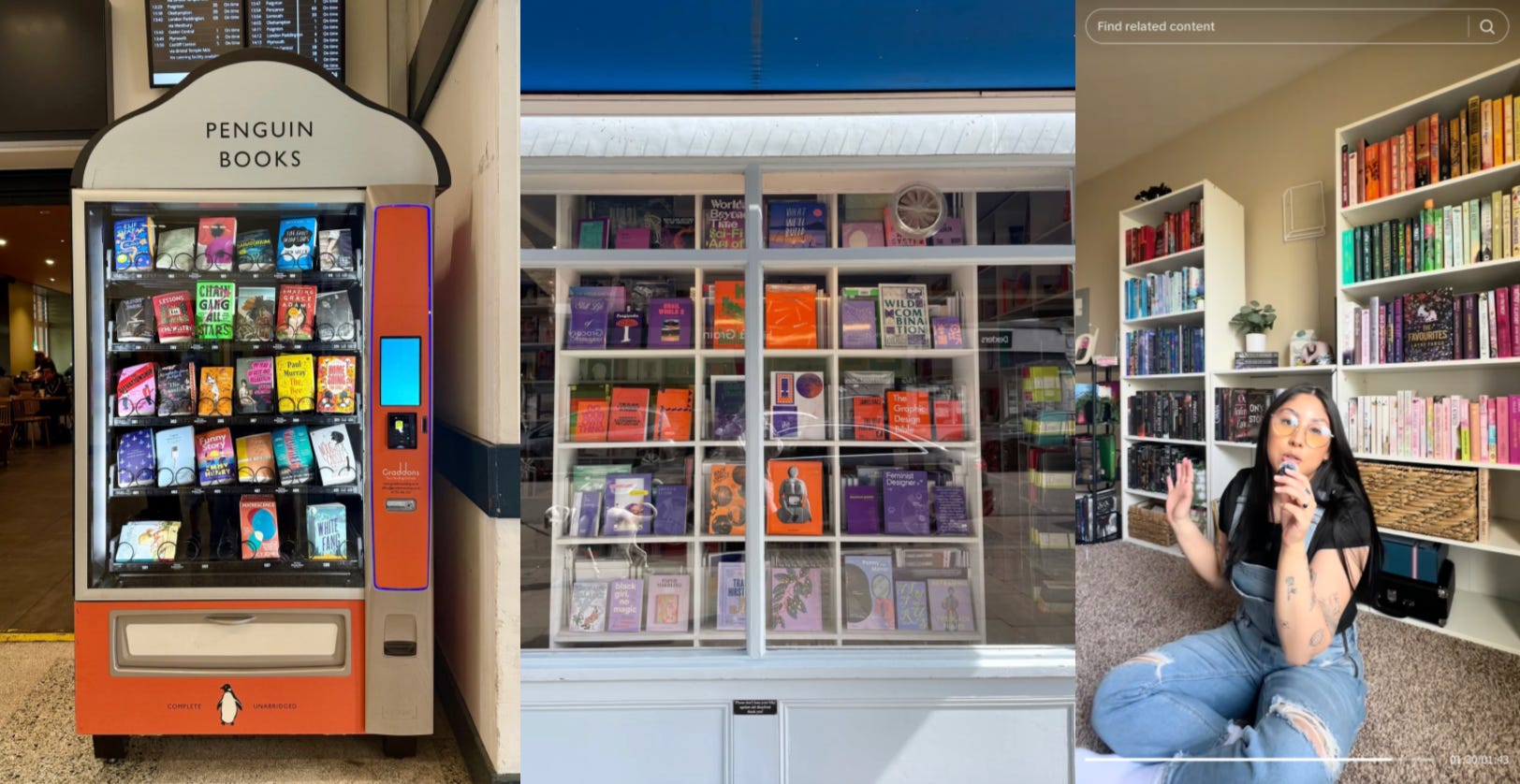
There’s also a taste of resistance here. Choosing to read is choosing not to scroll, not to answer every ping. It’s a small rebellion against the endless churn of slop. Gen Z seems especially drawn to that balance - not rejecting digital life entirely, but reclaiming how to use digital - as just a tool.
The Bigger Shift at Play
All of this is bigger than books though. It’s a cultural reset. The resurgence of reading is just one signal of where attention is moving: away from constant stimulation and toward spaces that feel more intentional and meaningful.
Print is one signal - not only books, but also the quiet rise of magazines and zines. Chanel’s Arts & Culture magazine treats print as cultural capital, while smaller independents like Apartamento or The Gentlewoman show there’s an appetite for objects that last over content that disappears into an Instagram folder.
But the pattern shows up elsewhere. Vinyl is booming, film photography is back in style, as are tactile pastimes like pottery, knitting and sourdough. People are swapping their screen time for analog pleasure. We’re also seeing a rise in active and creative getaways - wellness escapes combining movement, art and reflection as a way to connect with likeminded people.
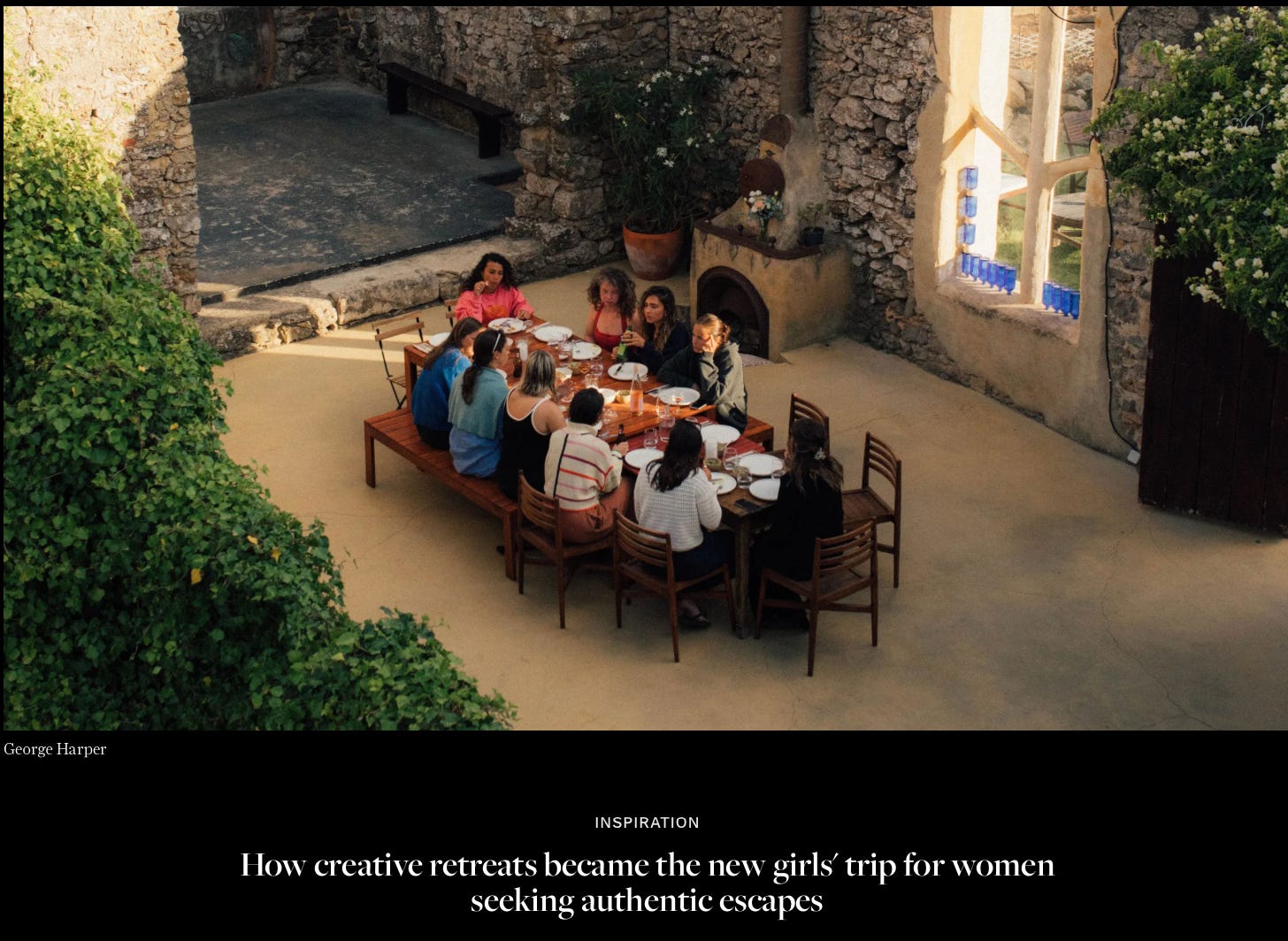
For brands, the opportunity isn’t to shout louder or even to ‘BuILd a CoMmuNiTy’, but to act more like hosts. To create or align with these rituals of slow attention. Not just things to buy, but places and moments to belong to. People are welcoming to brands if they’re able to help facilitate and elevate these experiences.
Final Thoughts
In a culture overflowing with swipes and scrolls, the simple act of reading feels almost radical. It slows you down, demands presence, and opens space for imagination. But the real story isn’t just about books. It’s about what they represent: a hunger for softer, slower, more human rhythms of connection. From book clubs to bookstores, zines to vinyl, people are piecing together rituals that make them feel grounded and present.
Maybe that’s the lesson worth carrying forward. The future of culture, and the brands that want to be part of it, won’t be written in the noise of our feeds. It will be shaped in the quiet, intentional spaces where people are able to sit still and connect with their imagination. And right now, nothing captures that better than the humble page.
Loved this! I’m working with a bookshop atm and the shift you mentioned from reading as only being a solo pursuit to sometimes also being a social one is so real and exciting.